
Table of Contents
- At a Glance
- The Core Cause of Aura Migraines: A Spreading Brain Wave
- Why Does This Wave Start?
- What Triggers Aura Episodes?
- Why Migraine Aura Is Usually Visual
- What Causes Ocular Migraines with Aura?
- What Causes Migraine with Brainstem Aura?
- Why Aura Patterns Change Over Time?
- Is Aura Dangerous?
- Supporting Brain Stability with Brain Ritual®
- Final Thoughts
At a Glance
|
Migraine aura is a temporary change in brain function that can affect vision, sensation, or language. It is estimated to affect around 25 to 30% of people with migraine at some point. Aura often appears as shimmering patterns, blind spots, tingling, or brief difficulty finding words. While these symptoms may seem to come from the eyes or head, they are actually generated by changes in electrical activity within the brain.
This activity spreads slowly across the surface of the brain, like a wave, temporarily altering how different regions process information. Aura symptoms tend to develop gradually, evolve over several minutes, and then fully resolve. By understanding aura, it becomes easier to explain what causes aura migraines, their patterns and triggers, and why they can change over time.
The Core Cause of Aura Migraines: A Spreading Brain Wave
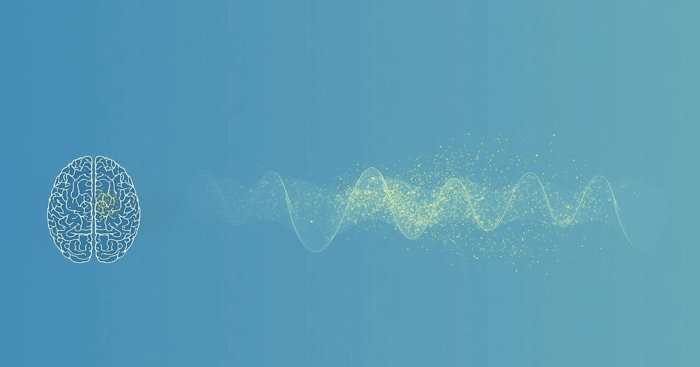
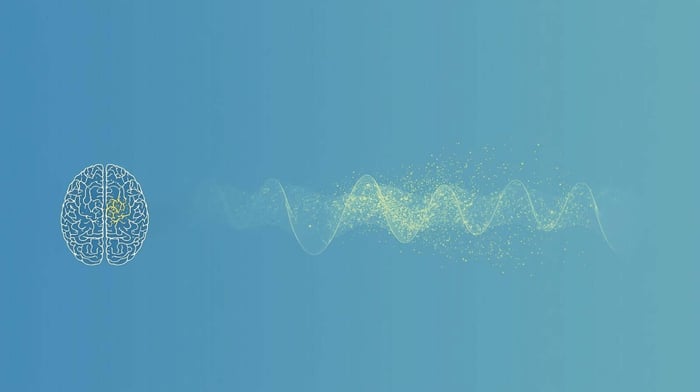
Aura migraines are caused by a temporary wave of altered electrical activity that moves slowly across the surface of the brain. This wave disrupts normal sensory processing for a short period of time, producing the visual, sensory, or language changes known as aura.
This process is known as cortical spreading depression (CSD; Lauritzen, 1994). It is widely considered the central neurological mechanism behind migraine with aura. The wave also involves changes in brain chemicals and blood flow, which further contribute to the symptoms that develop during aura.
It starts when a cluster of brain cells becomes briefly overactive, followed by a short period of reduced activity. This pattern travels gradually across the cortex, typically at a rate of only a few millimeters per minute (Hadjikhani et al., 2001). As it moves, it temporarily interferes with the function of the regions it passes through. This slow spread mirrors the way aura symptoms expand, shift, and then resolve.
When the wave passes through the visual cortex at the back of the brain, visual symptoms occur. These may include shimmering zigzag lines, flashing lights, expanding blind spots, or geometric patterns, which reflect temporary disruption in visual processing rather than a problem with the eyes themselves. If the wave passes through regions of the brain involved in sensation, tingling or numbness can occur. When language regions are involved, brief word-finding difficulty or speech disturbance can occur.
This electrical disturbance is functional rather than structural. It does not represent permanent damage to brain tissue. Aura reflects a temporary shift in how nerve cells are firing and communicating. Once the wave passes and normal electrical balance is restored, symptoms resolve.
Cortical spreading depression explains the immediate cause of aura migraines. The next step is to understand why the brain becomes vulnerable to triggering this wave.
Why Does This Wave Start?
Although cortical spreading depression explains the mechanism behind aura, it does not fully explain why the wave begins. The answer appears to lie in brain vulnerability. In people prone to migraine with aura, certain regions of the cortex appear to be more electrically excitable and sensitive to minor disturbances in neural balance. Even small disruptions in electrical stability can make it easier to trigger a wave.
A key factor in this increased vulnerability is neuronal excitability (Eikermann-Haerter & Ayata, 2010). In simple terms, this refers to how easily brain cells become electrically active. Neurons communicate using small electrical signals. These signals depend on the controlled movement of charged particles, such as sodium, potassium, and calcium, across the cell membrane. In migraine-prone brains, this signaling system tends to be more sensitive to disruption. As a result, even small disruptions in electrical signaling can easily spread, making it harder for the brain to maintain stable electrical conditions.
Energy regulation is another important part of this process. This is because the brain requires a steady supply of energy to keep its electrical activity stable. Nerve cells rely on oxygen and glucose to produce that energy and keep electrical signaling balanced. If energy supply and demand drift slightly out of sync, the brain may struggle to maintain stable electrical activity (Borkum, 2016). In this situation, the cortex becomes more vulnerable to triggering a spreading wave of activity.
Neurotransmitters are another important part of this system. These chemical messengers help regulate how strongly brain cells activate or inhibit activity. For example, glutamate increases excitation, while GABA helps calm neural activity. If this balance shifts too far toward excitation, a small burst of activity may develop into a spreading wave.
Genetics can also influence this vulnerability. Migraine with aura often runs in families, suggesting inherited differences in ion channels, neurotransmitter systems, or how brain cells manage energy. These inherited traits do not guarantee that aura will occur in every family member, but they may lower the threshold at which the brain becomes electrically unstable.
For cortical spreading depression to occur, neurons must lose their ability to maintain stable ion gradients. These gradients are maintained by energy-dependent ion pumps that keep electrical activity balanced.
When the brain’s energy supply is insufficient or less efficient, these pumps begin to struggle. As a result, electrical stability becomes harder to maintain, and the cortex becomes more excitable. This can allow a small disturbance to develop into a spreading wave of depolarization that is experienced clinically as aura.
This helps explain why many triggers for migraine aura are metabolic in nature. Factors that disrupt energy production, glucose availability, electrolyte balance, or mitochondrial function can all lower the threshold at which this wave begins.
Taken together, these factors suggest that aura does not occur randomly. Aura reflects a brain operating closer to its excitability threshold. When conditions align, the electrical system can cross that threshold and trigger cortical spreading depression.
What Triggers Aura Episodes?
The factors described above help explain why the brain may be vulnerable to a spreading wave of activity. But what pushes the system over its excitability threshold?
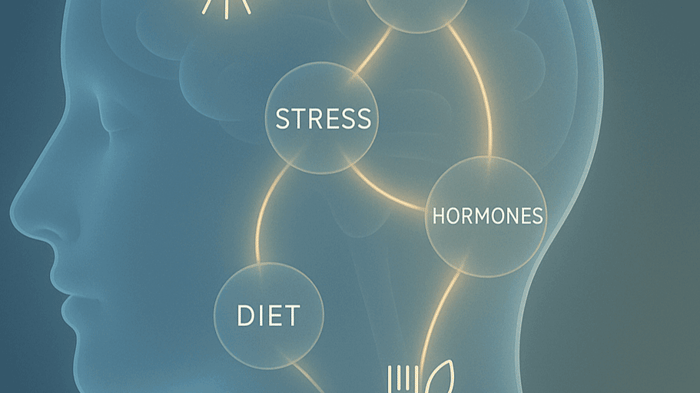
In most cases, aura is not caused by a single trigger. It usually reflects a combination of factors that temporarily increase brain excitability or disrupt the balance that keeps electrical activity stable.
Many of these triggers can be understood through a metabolic lens. The brain has very high energy demands, and even small disruptions in energy production, glucose availability, or electrolyte balance can reduce its ability to maintain stable electrical activity. In this state, the threshold for triggering a spreading wave becomes lower.
One of the most important underlying factors in migraine aura is energy availability. The brain relies heavily on mitochondrial function to produce ATP, which supports stable electrical signaling. When this process is less efficient, due to oxidative stress, inflammation, or other physiological strain, the brain may operate with reduced energy reserves. Under these conditions, even relatively minor stressors can increase the likelihood of instability and the initiation of a spreading wave of activity.
Closely related to this is glucose stability. The brain depends on a steady supply of glucose or alternative fuels such as ketones. Drops in blood glucose, rapid fluctuations, or low energy reserves can reduce the availability of fuel and lower the threshold for cortical spreading depression.
Electrolyte balance also plays a central role. Magnesium helps regulate neuronal activity and prevent excessive excitation, while sodium and potassium are essential for maintaining electrical gradients. When electrolyte levels are disrupted, excitability can increase and aura becomes more likely.
Neurotransmitter balance adds another layer. Increased glutamate activity, reduced inhibitory signaling through GABA, and changes in serotonin can all contribute to a more excitable brain state.
Oxidative stress can further affect this balance by impairing mitochondrial function and increasing neuronal sensitivity. It can also reduce the efficiency of energy production, making it harder for the brain to maintain stable electrical activity. Together, these changes make the brain more vulnerable to triggering aura.
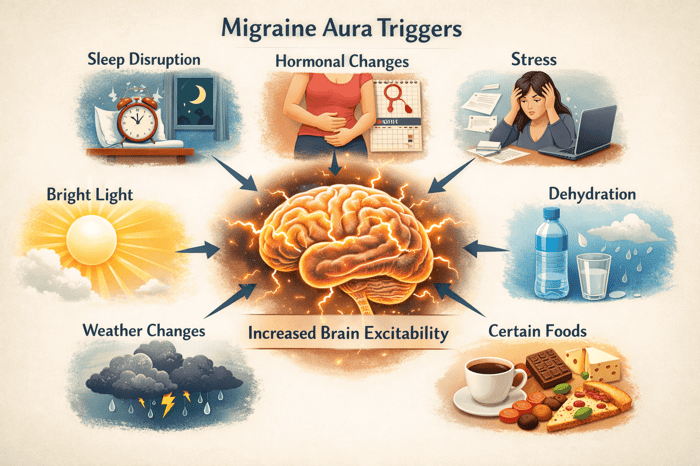
Common triggers include:
Sleep disruption
Poor sleep, irregular sleep schedules, or sudden changes in sleep patterns can affect brain excitability, mitochondrial efficiency, and energy regulation. Both sleep deprivation and oversleeping can increase the likelihood of migraine with aura.
Hormonal changes
Fluctuations in hormones, particularly estrogen, are a known migraine trigger. Estrogen also influences energy metabolism and neurotransmitter balance, which may help explain why migraine with aura is often more noticeable around menstruation, pregnancy, or menopause.
Stress and recovery from stress
Periods of prolonged stress can increase brain sensitivity and alter energy demand and glucose regulation. Interestingly, aura and migraine often occur during the relaxation period after stress rather than during the stress itself.
Bright light or visual strain
Flickering lights, intense sunlight, or extended screen exposure can overstimulate the visual cortex, which may increase the likelihood of visual aura in susceptible individuals.
Weather and environmental changes
Sudden shifts in weather, temperature, barometric pressure, or strong environmental stimuli such as cold wind can affect sensory processing and vascular signaling in the brain. For some people, these changes may increase the likelihood of migraine with aura.
Dehydration and metabolic stress
Inadequate fluid intake, electrolyte imbalance, skipped meals, or significant fluctuations in blood glucose can disrupt the brain’s energy balance, which may lower the threshold for triggering cortical spreading depression.
Alcohol and certain foods
Some people report aura after consuming alcohol or certain foods that affect vascular signaling, metabolic stability, or neurotransmitter balance, such as aged cheeses, chocolate, or foods containing monosodium glutamate. However, food triggers vary widely between individuals.
It is important to note that triggers do not act in isolation, with aura often occurring when several factors combine to increase metabolic stress and reduce the brain’s electrical stability (Kelman, 2007).
Why Migraine Aura Is Usually Visual
Visual symptoms are the most common form of migraine aura, with around 90% of people who experience aura reporting visual disturbances at some point.
This is largely explained by the location where cortical spreading depression begins, often in the visual cortex at the back of the brain. This region processes visual information from the eyes. When its activity is disrupted, visual symptoms can occur.
As the wave of altered electrical activity moves slowly across the visual cortex, it temporarily interferes with normal visual processing. This can produce symptoms such as shimmering zigzag lines, flashing lights, expanding blind spots, or geometric patterns that gradually move across the visual field.
The wave’s slow movement helps explain why visual aura often develops gradually and evolves over several minutes. The patterns may expand, shift, or drift across the field of vision before eventually fading as normal brain activity returns.
This helps explain why visual symptoms are the most common type of migraine aura. It also clarifies visual migraine aura causes, particularly when activity begins in the visual cortex. The eyes themselves are not the source of these disturbances. Instead, they arise because the brain region responsible for vision is frequently where this spreading wave begins.
What Causes Ocular Migraines with Aura?
The term ocular migraine is often used to describe visual symptoms that occur during migraine aura. However, in most cases these disturbances are not caused by a problem in the eyes themselves.
Typical visual aura is generated in the brain rather than in the eyes. Changes in electrical activity within the visual cortex temporarily alter how visual information is processed, producing the flashing lights, zigzag patterns, blind spots, or shimmering shapes often associated with migraine aura.
Because the disturbance occurs in the brain, these patterns affect the visual field rather than one eye. They may appear on only one side of vision, but they are generated by changes in brain activity rather than a problem in the eye itself.
In rare cases, visual symptoms can originate in the eye itself due to changes in blood flow to the retina. This condition is known as retinal migraine and usually affects only one eye, often causing temporary dimming or loss of vision rather than moving visual patterns.
Understanding this distinction helps explain why most ocular migraines are actually a form of migraine aura generated within the brain. This helps clarify what causes ocular migraines with aura and why the symptoms are generated in the brain rather than the eye.
What Causes Migraine with Brainstem Aura?
Migraine with brainstem aura is a rare form of migraine in which aura symptoms arise from brain regions that control balance, coordination, and sensory processing. Because these regions help regulate balance, hearing, and coordination, disruptions in their activity can produce symptoms that differ from typical visual aura. Symptoms may include dizziness, vertigo, ringing in the ears, double vision, slurred speech, or temporary difficulty with coordination.
The underlying process is still believed to involve cortical spreading depression, but the wave of altered electrical activity affects areas of the brain connected to the brainstem rather than the visual cortex.
Although the symptoms of a migraine with brainstem aura can be alarming, they are part of the same underlying neurological process that causes other forms of migraine aura. Understanding this process also helps explain migraine with brainstem aura causes, even though the symptoms differ from typical visual aura.
Why Aura Patterns Change Over Time?
Migraine aura does not always look or feel the same from one episode to the next. Indeed, it is possible to experience more than one aura in close succession, which can feel unusual but still reflects the same underlying process.
While some people experience very similar patterns each time, others notice that their symptoms gradually change over time.
One reason for this variation is that the brain’s electrical sensitivity is not fixed and can fluctuate over time. Factors such as sleep, stress, hormonal changes, and overall health can influence both how easily cortical spreading depression is triggered and how it travels through the brain.
The exact path of the spreading wave can also vary. If the wave begins in or travels through slightly different regions of the cortex, symptoms can change. For example, visual symptoms may dominate in one episode, while sensory symptoms such as tingling or numbness appear in another.
For many people, aura patterns remain broadly recognizable even as small details, such as the exact shape, size, or location of symptoms, change. These variations reflect normal differences in how electrical activity in the brain unfolds during each migraine episode.
Is Aura Dangerous?
In most cases, migraine aura is not harmful. Although the symptoms can feel alarming, aura reflects a temporary change in brain activity and does not usually cause lasting damage.
During aura, cortical spreading depression briefly alters how certain regions of the brain function, temporarily disrupting normal processing as the wave moves across the cortex. This is why aura symptoms typically develop gradually, evolve over several minutes, and then fully disappear. Once the wave passes, brain activity returns to normal and the symptoms resolve. The temporary nature of these changes is a key feature that distinguishes migraine aura from other neurological conditions.
However, symptoms that behave differently from typical migraine aura should be taken seriously. Symptoms that begin suddenly, last much longer than usual, or do not resolve may require medical evaluation, particularly when the timing, progression, or resolution differs from a typical aura.
For people who regularly experience migraine aura, the symptoms are usually a predictable part of their migraine pattern. In some cases, aura can occur without the typical headache phase, which can make the experience feel more confusing if you are not expecting it. Understanding how aura works can help make these episodes feel more familiar and less frightening when they occur.
Aura can occur on its own or as part of a broader migraine episode. Understanding how aura fits into the wider migraine picture can also help when comparing migraine to other types of headache.
Supporting Brain Stability with Brain Ritual®
The processes that drive migraine aura, including cortical spreading depression and increased brain excitability, are closely linked to how well the brain manages energy and maintains stable signaling.
When brain cells do not have a steady and efficient fuel supply, or when oxidative stress builds up, it becomes harder to maintain this balance. This can make the brain more vulnerable to the kind of electrical instability that triggers aura.
Brain Ritual® is designed to support these underlying systems. It provides ketones, an efficient alternative fuel for the brain, along with vitamins, minerals, and antioxidants that support energy production and help manage oxidative stress.
Ketones such as D-beta-hydroxybutyrate can be used directly by the brain as a clean energy source, particularly when glucose supply or utilization is less stable. This can help support more consistent brain energy and signaling.
At the same time, nutrients such as magnesium, riboflavin, CoQ10, L-carnitine, and citicoline support mitochondrial function and overall brain energy metabolism.
Together, this approach supports the brain’s energy systems and resilience, which may help reduce the likelihood of the electrical instability underlying migraine aura.
You can buy Brain Ritual® to support brain energy and stability here.
Disclaimer: Brain Ritual® is a medical food for the dietary management of migraine and is not intended to diagnose, treat, cure, or prevent any disease. This content is for informational and educational purposes only and is not intended as medical advice.
Final Thoughts
Migraine aura reflects a temporary change in brain activity rather than a problem with the eyes or permanent damage to the brain. The symptoms follow a recognizable pattern because they are driven by a slow-moving wave of electrical activity across the cortex.
Understanding this process helps explain the key aura migraine causes, including why symptoms develop gradually, why they affect different senses, and why they can vary from one episode to another. It also helps explain why common triggers often combine to increase brain excitability.
For many people, aura becomes easier to interpret over time. Recognizing their pattern can help reduce uncertainty and make episodes feel more manageable when they occur.